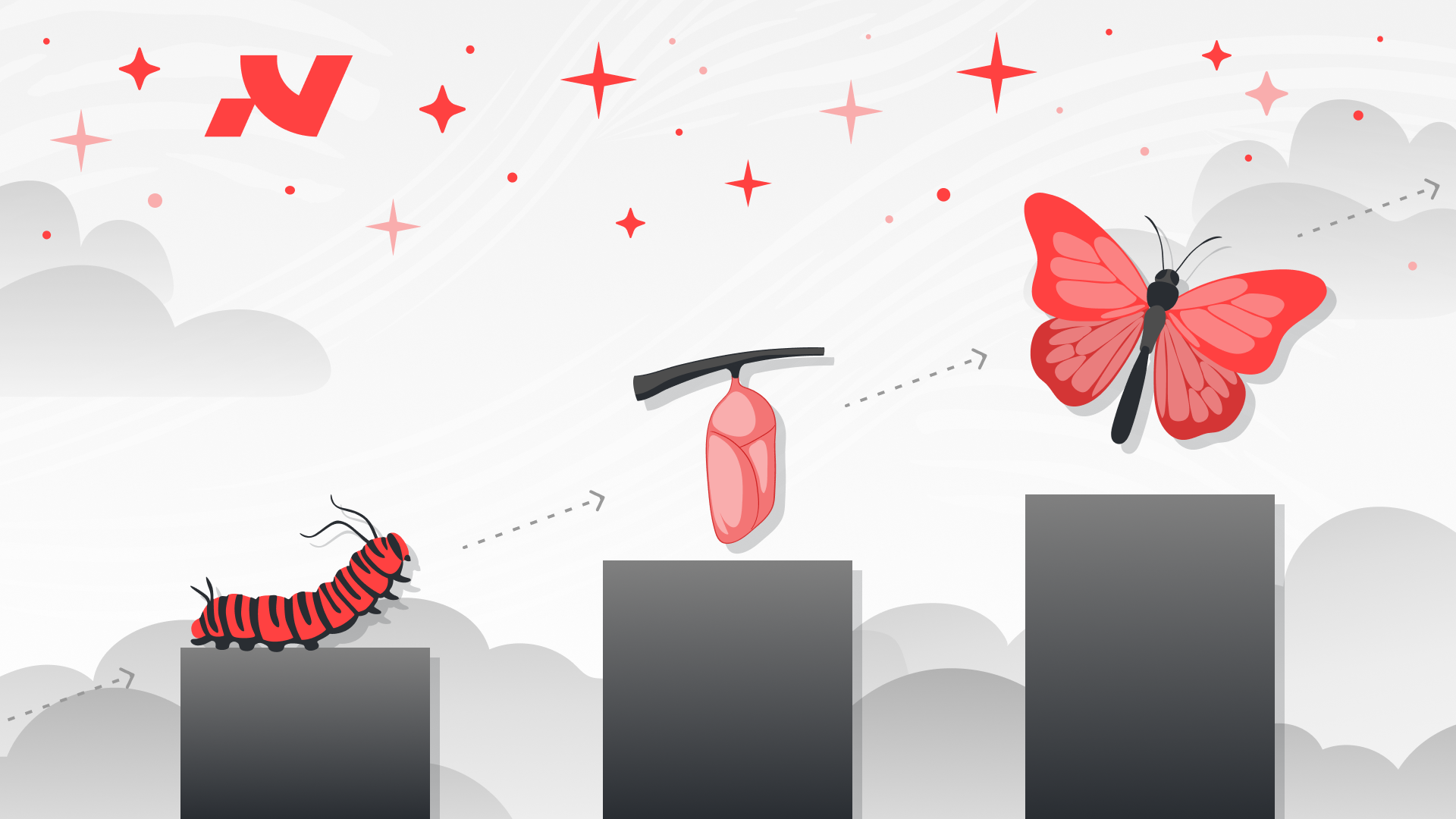
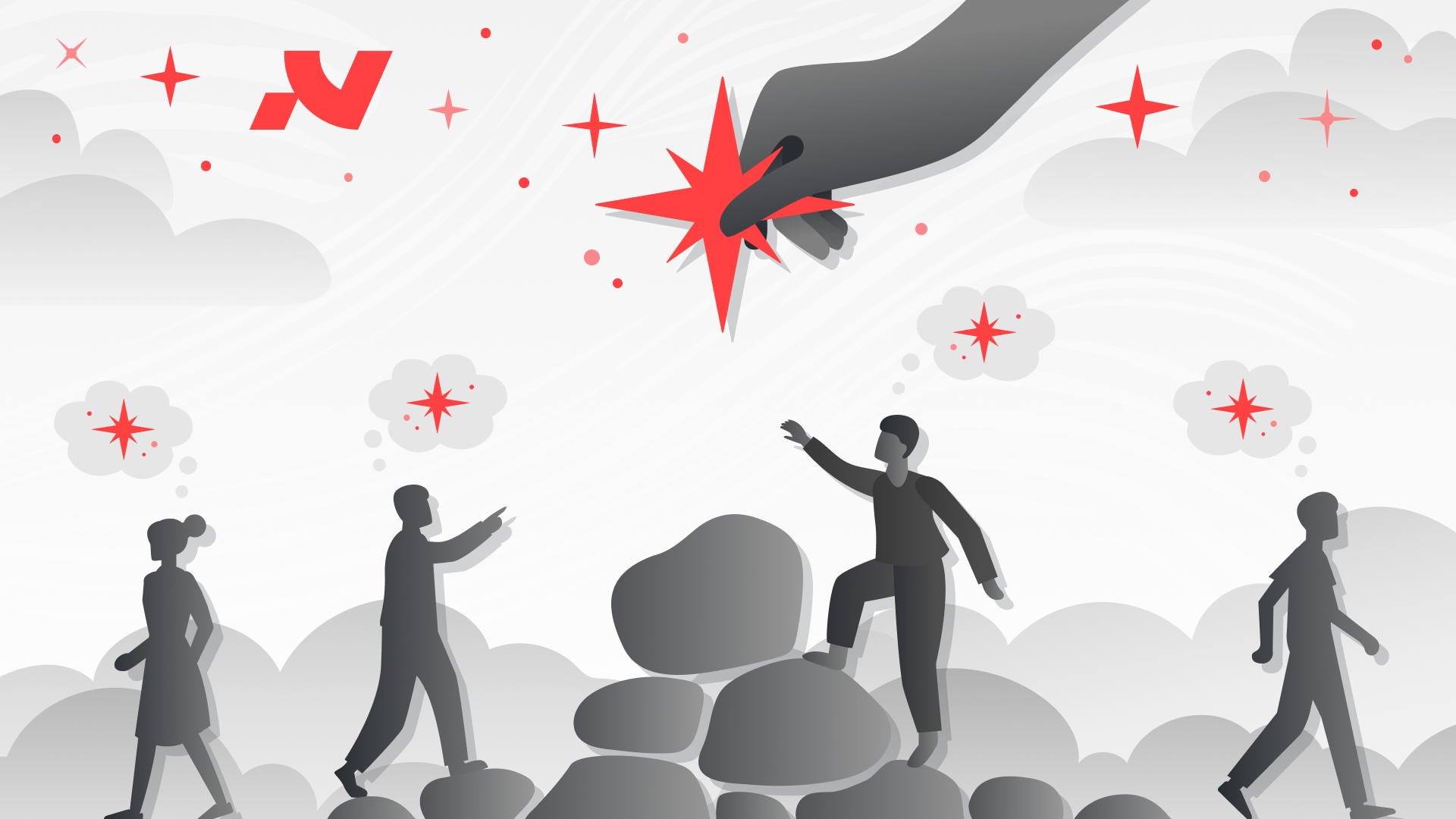
The Cost of Refusing to Adapt
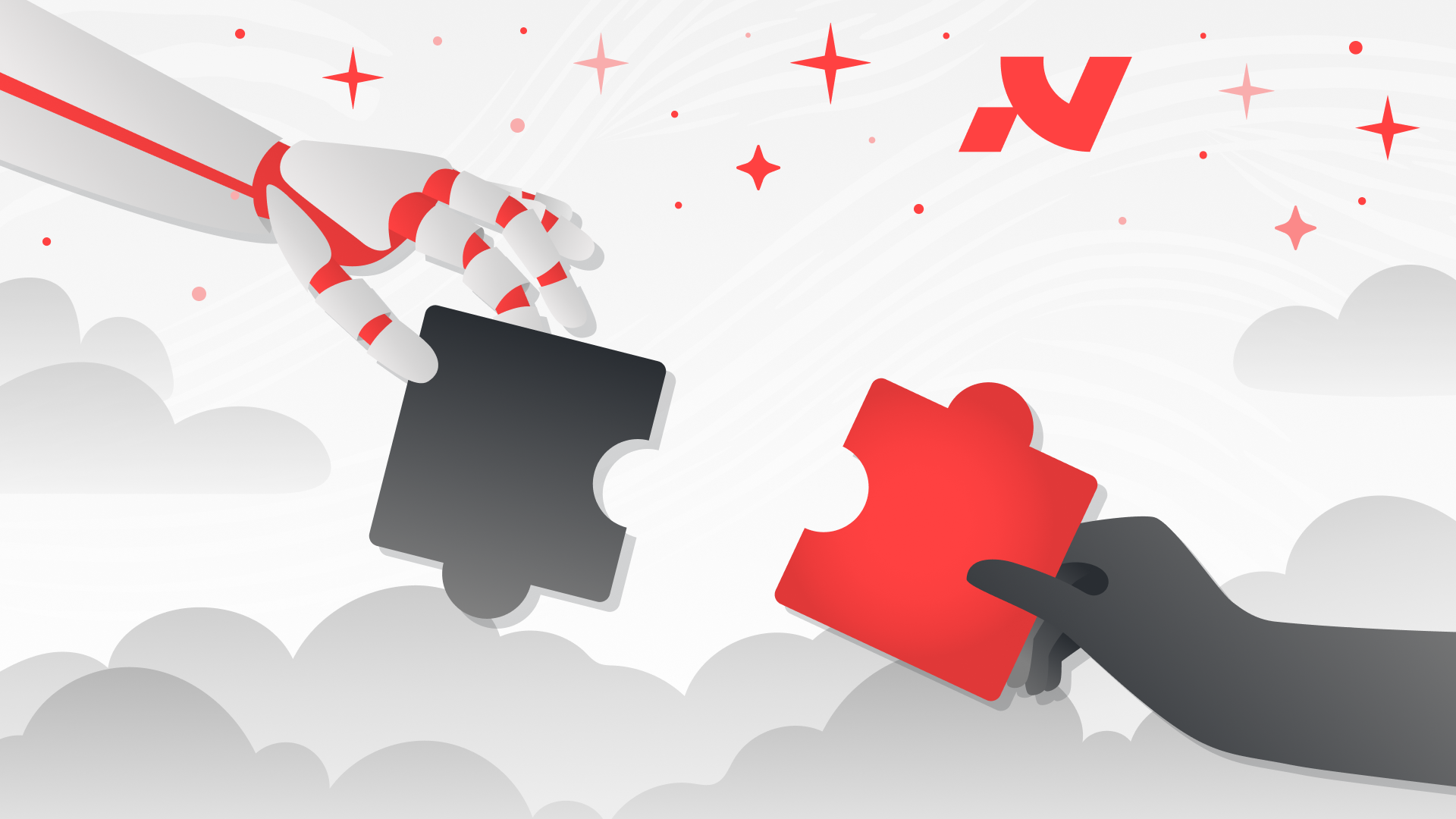
There is a version of this conversation that turns into a lecture, and I want to avoid that. This is not about telling people what to think or shaming anyone for how they feel. AI is a genuinely complicated shift, and the discomfort around it is real. I get it more than most.
I run a creative agency. I am not watching this from a comfortable distance. I am in it every single day, navigating the same tension, the same questions, and the same conversations that everyone else in the creative industry is having. So when I say what I am about to say, it is coming from that place, not from someone sitting safely outside the blast radius with a strong opinion and nothing to lose.
With that said, I do think a lot of people are making a very costly mistake.
The Familiar Shape of Resistance
Every major technological shift in history has been met with resistance. Cameras threatened painters. Electricity disrupted entire industries. The automobile killed livelihoods. The internet was dismissed, then feared, then reluctantly adopted, and eventually became the foundation everything else was built on.
The technology changes every time. The fear does not.
And I think it is worth naming that pattern clearly before we talk about where we actually are right now, because understanding it makes the current moment a lot easier to read.
The Anti-AI Stance and What It Actually Signals
I have seen this play out on LinkedIn more times than I can count. Someone posts loudly about refusing to use AI. The comments fill up with agreement. It feels like solidarity.
The feeling behind it is understandable. The cost of it is what concerns me, especially for people early in their careers.
Companies are building AI into everything. Hiring managers are looking for adaptable people, people who can move with the tools, learn quickly, and stay useful as the environment shifts. When someone publicly plants a flag against AI, many of those managers are not reading it as principle. They are reading it as a resistance to change, and that is a difficult first impression to walk back when you are still trying to establish yourself.
If you are early in your career, you genuinely do not have the luxury of that stance yet. You have not built enough of a track record to fall back on. You have not accumulated enough trust, credibility, or proof of work to make the refusal feel like confidence rather than fear. At that stage, the anti-AI position does not make you look principled. It makes you look like someone who might be difficult to grow.
That is a hard thing to say, but I think it is true.
The Founders Who Are Already Behind
This is not only a young professional problem either.
I have been meeting more and more founders recently who have never seriously engaged with AI. Experienced people, some of them with real businesses behind them, still doing things the slow way, burning hours on tasks that could be handled in minutes. There is a learning curve. There is the discomfort of feeling like a beginner again when you have already built something. There is the suspicion that the tools are overhyped or that using them somehow compromises the work.
But no matter how hard you work, no matter how many hours you put in, you will not be able to keep pace with a professional who uses AI well.
Not sustainably. The output gap is already widening and it will keep widening as the tools improve.
This is not about working less or cutting corners. Your competition is operating with a different leveragepoint now, and if you are not, the hours you are putting in are being competed against by people putting in the same hours plus a multiplier you are not using.
Using It the Right Way
None of this means you have to love AI, pretend it is flawless, or ignore the legitimate concerns around it. There are real ethical questions. There are areas where the output is hollow and obvious, and the market is already getting sharp at spotting it. AI slop is real and it is everywhere.
The point is not to use AI blindly. The point is to use it well.
That means learning which tasks actually benefit from it, using it to handle repetitive low-value work so your brain, your taste, and your judgment can go where they actually matter. That kind of discernment does not come from refusing to engage.It comes from actually using the tools, getting a feel for where they help, and developing enough judgment to know when to put them down.
You do not need to worship any of this. You just need enough humility to understand what is shifting and enough curiosity to learn how to work within it.
The Box Is Open
Some people point to the dot-com bubble as evidence that AI could collapse and prove the skeptics right. Maybe. But the dot-com bubble did not erase the internet. It cleared out the noise and left behind infrastructure that everything since has been built on. Even if AI follows a similar path, the underlying shift is already embedded deeply enough that waiting it out is not a real strategy.
The world does not cater to your preferences or your beliefs about how things should be.
The market does not reward the most principled stance. It rewards the most adaptable one.
Where This Leaves You
Keep positioning yourself well and there is not much to fear. Stay curious. Stay close to what is evolving. Use the tools that make your work better and ignore the ones that do not. Build genuine judgment around what AI is good for, because that is a skill in itself and not nearly enough people are developing it.
The people who will thrive through this are not the ones who loved AI the earliest or the loudest. They are the ones who stayed honest about the environment, adapted with enough clarity to stay useful, and did not waste energy resisting something that was always going to arrive anyway.
You do not have to be excited about it. You just have to stay in the game.