My 1st Biggest Mistake
It’s no secret that I’ve made a shit ton of mistakes within Nexubis over the past 3 years.
And as much as I want to be perfect, learning is simply part of the game.
No matter how many opinions you get from other founders, you will still make mistakes. Some of those mistakes can be seriously detrimental, while others end up showing you exactly what needs to change. That’s where the shift happens, when you start turning mistakes into opportunity instead of failure, and almost use them like a personal superpower.
That being said, I want to focus on one mistake that is completely avoidable, and I’ve seen it more times than I can count. It also doesn’t just apply to smaller companies. I still see this mistake inside some of the biggest businesses out there.
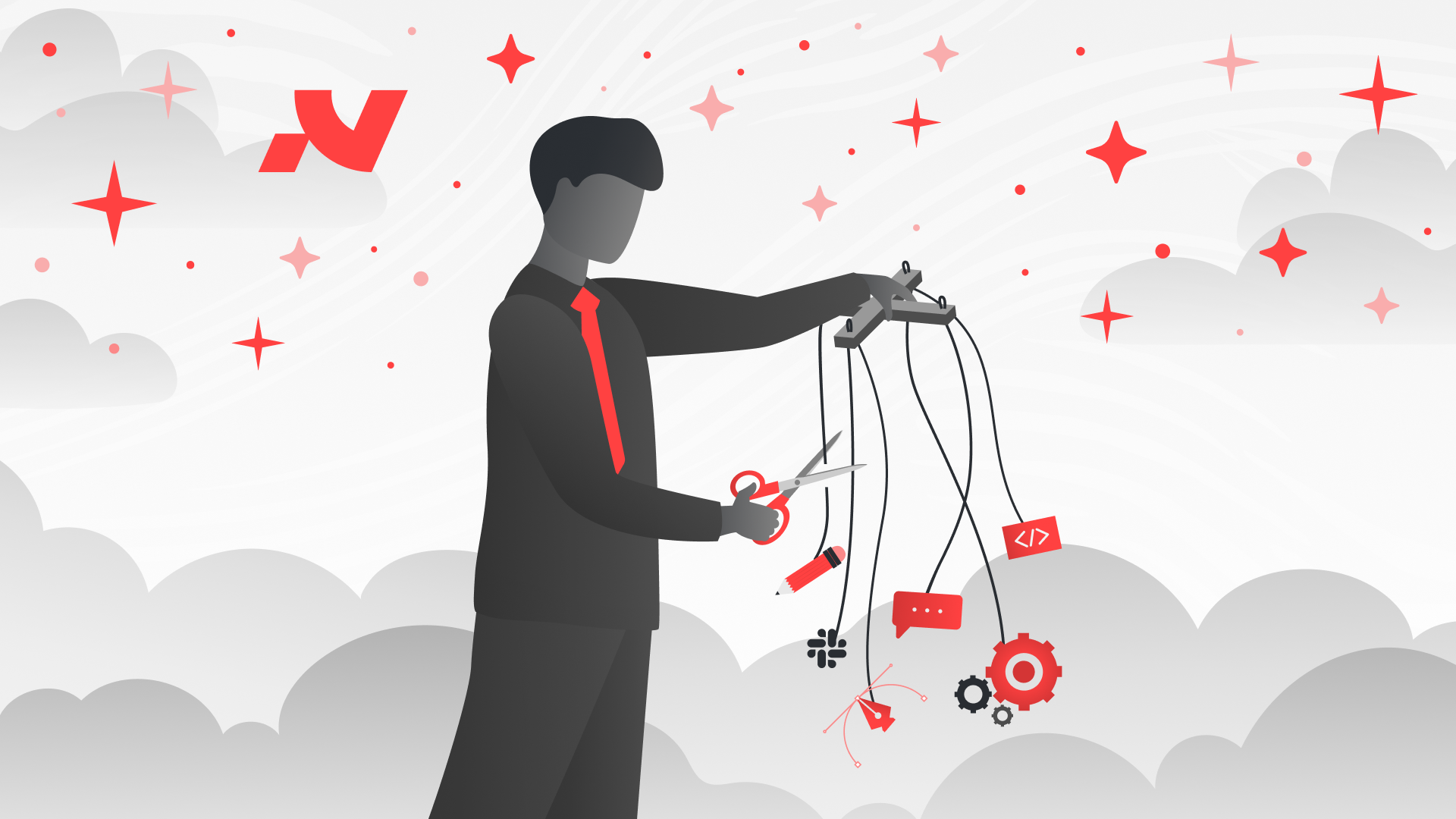
That single huge no-no is founders being hyper involved in their service or product, with a touchpoint in every department of the company.
Let me tell you, that is a recipe for disaster, even though on the surface it can look like exactly how things are supposed to be.
Because there is a massive difference between a CEO who works extreme hours and burns out for a few years, and a CEO who can sustain high performance over a much longer timeframe. One found the secret sauce I’m about to share. The other is having 10 mental breakdowns at night trying to fall asleep.
Why It Happens
It’s natural for founders and CEOs to be super involved in the beginning. That is how it should be.
You need to operate on ground level. You need to build the systems. You need to understand the moving parts.
The problem starts when you stay on ground level because you’re clinging to control.
And that was the mistake I made.
The Shift
I eventually realized I was causing more disruption than necessary. The moment I started handing off ownership to other people in the company, the picture changed. The team started delivering faster, and the quality of work improved.
"Keep firing yourself" is my personal mantra.
Because the more you do it, the faster the company grows, and the more time you free up for higher leverage work.
If you do not do that, you will not only stress more, you will also hurt your company in the process.
Why?
Because if core processes in the business depend on your direct input, then you are the bottleneck. And more importantly, everything starts wobbling the second you step out for a week or two.
The Takeaway
I think that’s the magic question founders need to keep asking themselves:
"Will the company be able to function if I stepped out for a month?"
If you can comfortably say yes, fantastic. You’ve already achieved what most founders struggle to build for years.
If not, then the next question is simple: what needs to change in your systems for that to become possible?
Because the goal is to build something that not only functions without you, but grows without you.
A lot of people think this is impossible, or at least unrealistic early on. But let me tell you this:
I founded Nexubis in mid-2023. By the end of 2025, I stepped out for 3 months.
The company still ran smoothly, and we legitimately secured and onboarded clients during that time.
So yes, it may be difficult to achieve, but if I managed to do it in under 2 years, I’m convinced other founders can do it too.
So the key takeaway is this:
Delegate ownership over time, and do it intentionally so you can focus on higher leverage work.
Do that, and your company has a far better chance of thriving.
I understand that passing on ownership is incredibly hard. But if you do not learn that lesson early, you will eventually become the single biggest bottleneck to your company’s growth.